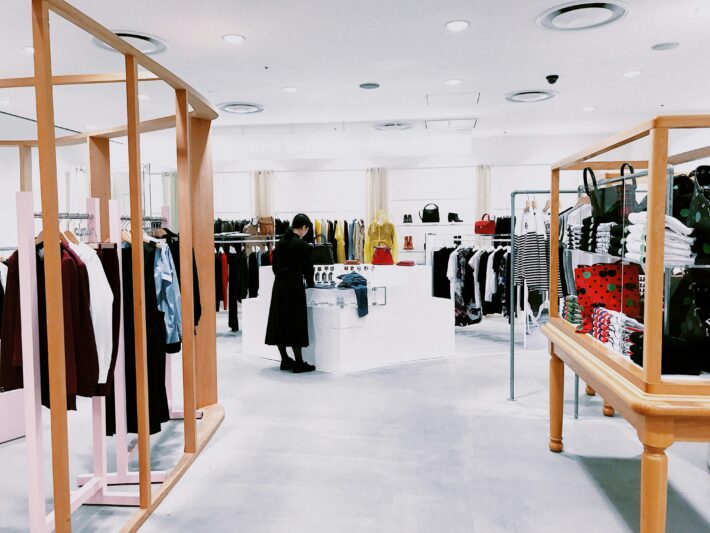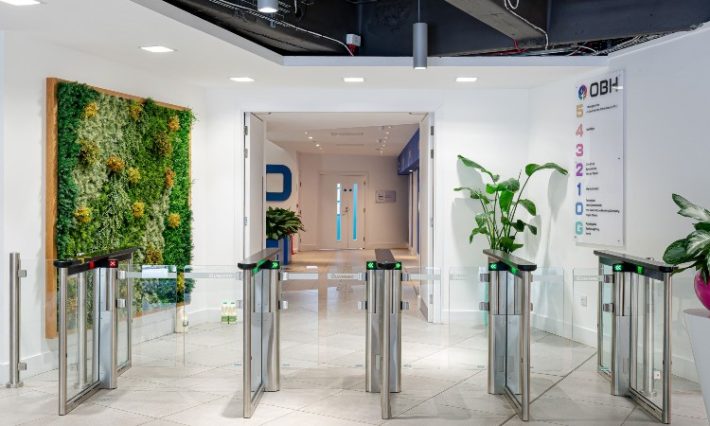

Space Optimisation Tips for Small Commercial Interiors
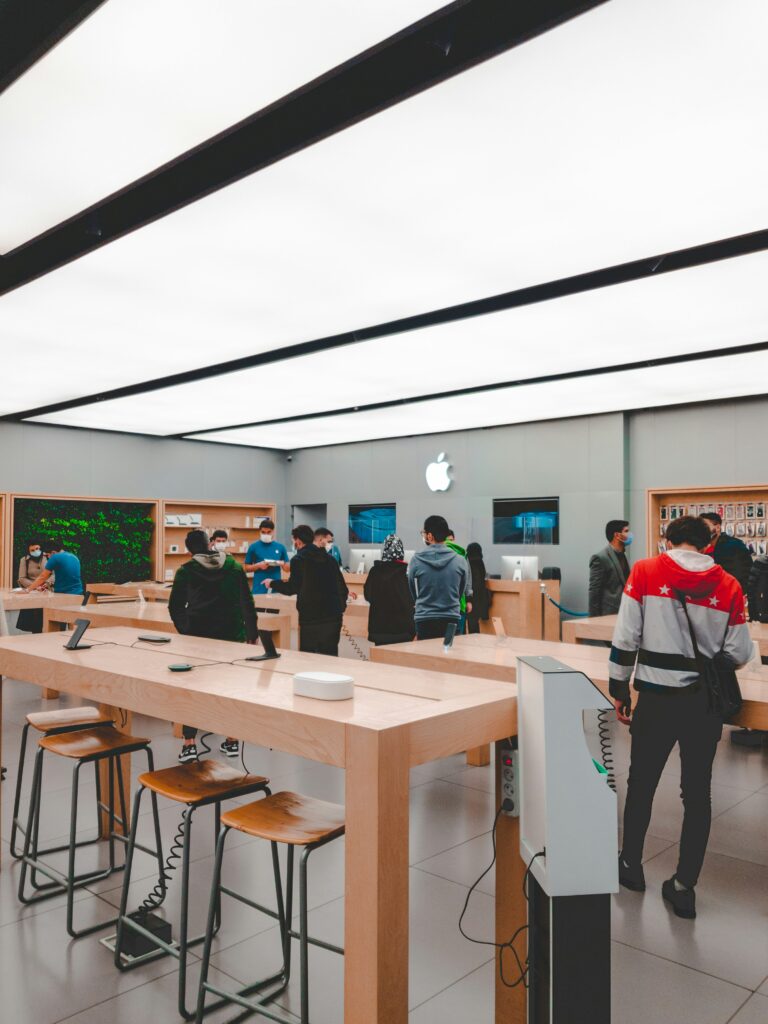
When space is limited, every square metre needs to work harder. Whether it’s a compact office, a small retail unit, or a tight hospitality setting, smart design can make a huge difference to how the space feels and performs day-to-day.
At ASPIRE Fitout, we regularly work with clients who need to get the most out of smaller spaces — and the reality is, it’s rarely about making it bigger. It’s about making it work better.
Start With How the Space Is Actually Used
Before thinking about layouts or finishes, it’s important to understand how the space functions in real life.
- Where do people naturally move?
- Where are the bottlenecks?
- What areas are underused?
Designing around real behaviours — not just floorplans — is what makes a space efficient. Often, small adjustments to layout can unlock much better flow without increasing footprint.
Keep Layouts Simple and Intentional
In smaller interiors, overcomplicating the layout is one of the quickest ways to lose usable space.
Clear, logical zoning helps:
- Define purpose without adding physical barriers
- Improve movement and accessibility
- Make the space feel more open and organised
Less clutter and fewer interruptions usually lead to a better overall experience.
Use Multi-Functional Elements
When space is tight, single-use features can quickly become a limitation.
Instead, consider:
- Storage integrated into seating or counters
- Flexible workstations that can adapt throughout the day
- Partitioning that doubles as storage or display
Multi-functional design helps reduce the need for additional furniture while keeping the space practical.

Think Vertically, Not Just Horizontally
One of the most underused opportunities in small spaces is vertical space.
Walls can be used for:
- Storage
- Display
- Integrated services
By taking advantage of height, you free up valuable floor area and keep the space feeling less congested.
Be Smart With Storage
Clutter is the biggest enemy of a small space. Without proper storage, even the best-designed interior can quickly feel chaotic.
Well-planned storage should:
- Be easy to access
- Be built into the design where possible
- Keep essential items close but out of sight
The goal is to keep the working space clean without compromising functionality.
Use Lighting to Open Up the Space
Lighting plays a bigger role than most people realise. Poor lighting can make a space feel smaller and more enclosed.
A well-considered lighting plan can:
- Improve visibility and usability
- Highlight key areas
- Create a sense of openness
Combining natural light (where possible) with well-placed artificial lighting can completely change how a space feels.
Choose Materials and Finishes Carefully
Heavier, darker finishes can sometimes make a space feel more compact. That doesn’t mean everything needs to be white — but balance is key.
Consider:
- Lighter tones to reflect light
- Consistent materials to avoid visual clutter
- Durable finishes that can handle high use
A clean, cohesive palette often helps a smaller space feel more considered and less busy.
Avoid Overfilling the Space
It’s tempting to try and fit as much as possible into a small area — but more isn’t always better.
Leaving space to move and breathe:
- Improves comfort
- Enhances customer or staff experience
- Makes the space feel more premium
Good design is often about restraint as much as it is about creativity.
Plan for Future Flexibility
Even small spaces need to adapt over time. Whether it’s growth, changes in use, or new requirements, flexibility should be built in from the start.
This might include:
- Modular furniture
- Easily reconfigurable layouts
- Allowance for future services or equipment
Planning ahead avoids costly changes later.
Final Thoughts
Optimising a small commercial space isn’t about squeezing more in — it’s about making better use of what’s already there. With the right approach, even the most compact interiors can feel efficient, functional, and well thought out.
At ASPIRE Fitout, we focus on practical, intelligent design that delivers real value — helping businesses get the most out of their space without compromising on quality or experience.